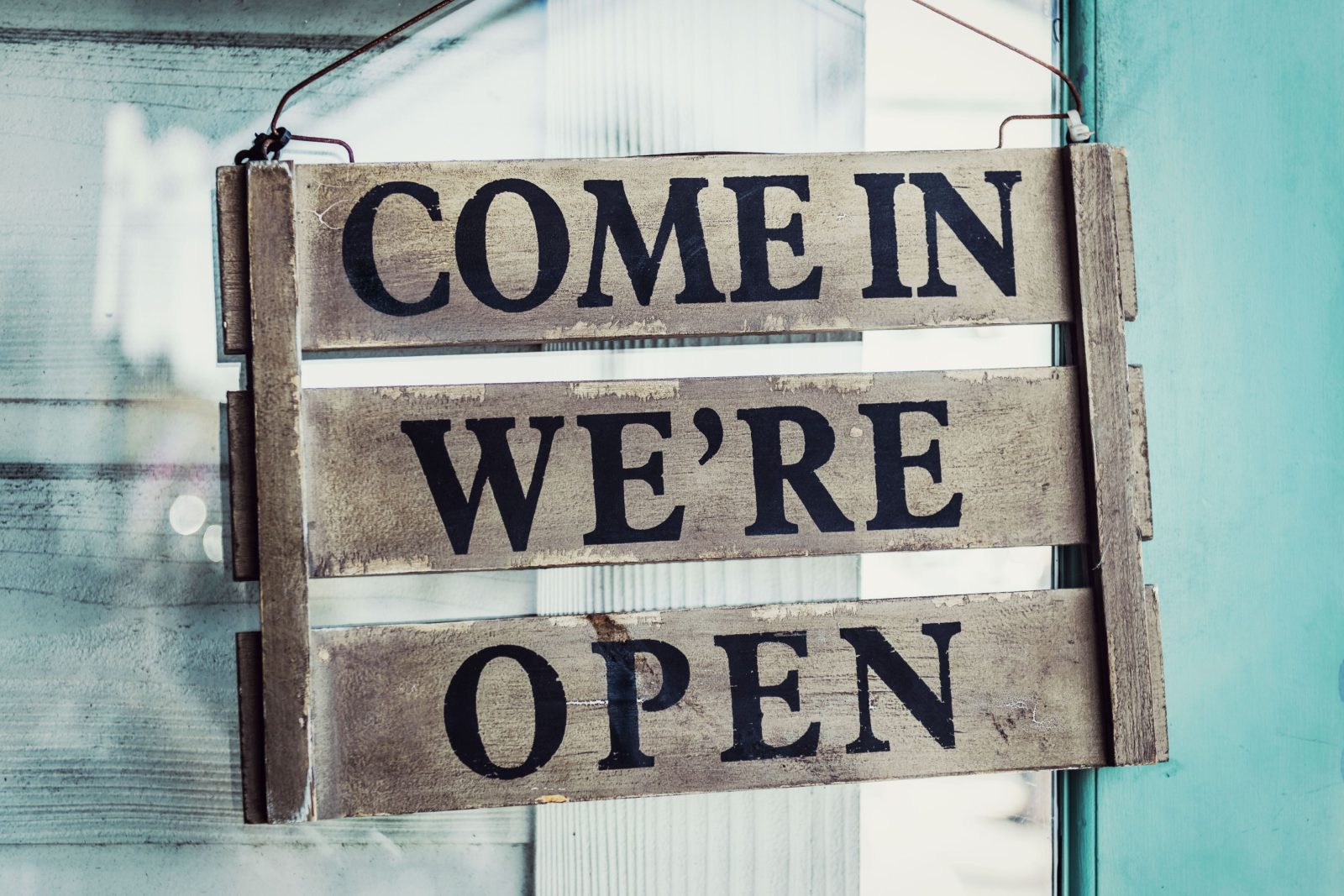
A hardware shop had good stock, fair prices and friendly staff. Yet many people drove past every day without knowing it existed. Then the owner installed a clear, well-made signboard and added banners. Soon more people were walking in, simply because they could finally see the shop from the road.
The Shop Nobody Could See
Nothing about the products changed. The only thing that changed was visibility. That is the quiet power of good signage: it works for you every hour of every day, even when you are asleep and the shop is closed.
Quick self-check: Stand across the road from your business and look at your sign for five seconds. Can you tell what you sell and what your name is? If you have to squint or guess, your sign is costing you customers.
What Is Signage (and Why It Matters)
Signage is any sign, board, banner or graphic that tells people who you are, what you do and where to find you. It includes outdoor signboards, banners, window graphics, vehicle branding, directional signs and indoor office signs.
Signage matters because it is one of the few marketing tools that:
- Works around the clock without monthly fees
- Reaches local people who are already nearby and ready to buy
- Builds trust: a professional sign says you are established and serious
- Supports everything else: it makes your website, social media and word of mouth easier to connect to a real place
The Seconds That Decide Everything
Passers-by give your sign just a few seconds. Drivers give it even less. That means a sign is not a brochure. It must answer three questions instantly:
1. Who are you? Your business name.
2. What do you do? A short, clear description such as "Hardware and Electricals" or "Dental Clinic."
3. How do I reach you? A phone number, WhatsApp number or web address, kept short.
Everything else is clutter. If a sign tries to say ten things, people read none of them.
Try this: Write what your sign currently says, then cut it in half. Then cut it again. What remains is probably what customers actually need.
The Seven Rules of Signs That Sell
1. Keep the message short. As a guide, aim for roughly seven words or fewer on an outdoor sign. Short messages are read. Long ones are ignored.
2. Make the text large and readable. Choose clean, simple fonts. Avoid decorative or script fonts for the main message, since they are hard to read from a distance. A common rule of thumb is that readable letter height grows with viewing distance: the farther away people see the sign, the bigger the letters must be. Ask your signage provider to recommend sizes for your location.
3. Use strong contrast. Dark text on a light background, or light text on a dark background, is easiest to read. Avoid low-contrast combinations such as yellow on white or light grey on silver.
4. Limit your colors and fonts. Two or three colors and one or two fonts are enough. More looks messy and weakens your brand.
5. Use your brand consistently. Your signboard should match your logo, business cards, website and social media. When everything matches, people remember you faster.
6. Add one clear call to action. "Call now," "Visit us," or just a phone number tells people what to do next. Do not add five.
7. Choose quality materials. Signs face sun, rain, dust and wind. Cheap materials fade, crack or peel, and a faded sign makes a business look neglected.
Choosing the Right Type of Sign
Different signs do different jobs. Here is a simple guide:
Outdoor signboards: your main identity at your premises. They should be large, durable and visible from the road.
Indoor and office signage: reception signs, department names and wall logos help visitors feel they have arrived at a professional business.
Roll-up and pull-up banners: portable and ideal for events, exhibitions, launches and promotions. You can store them and reuse them.
Vinyl and PVC banners: affordable, flexible and great for offers, seasonal promotions and announcements.
Vehicle branding: turns your car, van or delivery vehicle into a moving advertisement that travels through different neighborhoods every day.
Window and wall graphics: make shopfronts and interiors more attractive, and can display opening hours, promotions or brand messages.
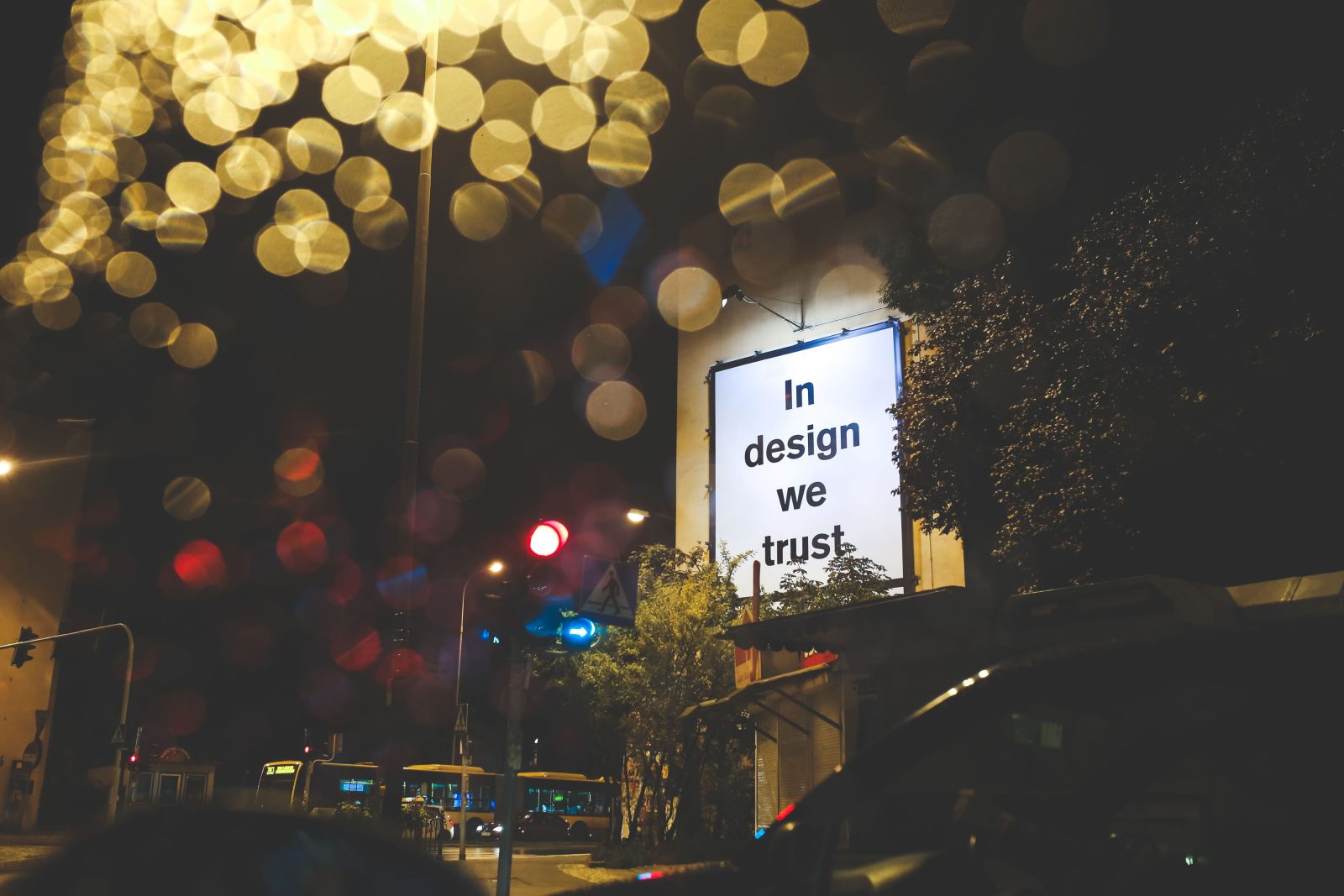
Billboards: reach large numbers of people along busy roads, best for brand awareness and big campaigns.
Directional and safety signs: guide visitors, show exits and warn of hazards. They protect people and show you care about order and safety.
Where You Place It Matters as Much as What It Says
A great sign in the wrong spot is a wasted sign.
- Think about the viewer's angle. Where do people approach from, on foot, on a matatu or in a car? Place the sign where they naturally look.
- Check for blockages. Trees, poles, other signs and parked vehicles can hide your message.
- Consider lighting. If you trade in the evening, think about lighting or illuminated signs so your business remains visible after dark.
- Check local rules. Counties may have requirements for outdoor signs, billboards and permits. Ask before installing.
- Position at the right height. Eye-level signs work for pedestrians, while higher signs work for road traffic.
Try this: Walk or drive toward your business from every direction people normally come from. Note the first moment your sign becomes visible and readable. If that moment is too late, you may need a bigger sign, a better position or a second sign further down the road.
Signage Is an Investment: Do the Math
A good sign is not an expense that disappears. It is an asset that works for years.
Example (illustrative numbers): Suppose you invest 40,000 in a quality outdoor signboard that lasts five years. That is 8,000 a year, or about 22 a day. If that sign brings in just one extra customer a week who spends 1,500, that is roughly 78,000 in extra sales each year, far more than the sign cost. Even if your numbers differ, the idea is the same: signage costs little per day compared with what it can bring in.
Work out your own version: what does your sign cost per year, and how many extra customers would repay it?
Beyond the Signboard: Build a Visible Brand
The most effective businesses use signage as part of a visual system:
- The signboard announces your presence
- Banners promote offers and events
- Vehicle branding spreads your name across town
- Uniforms and ID cards make your team recognizable
- Packaging and receipts carry your brand home with customers
- Your website and social media match the same colors and logo
When a customer sees the same look in six different places, your business stops being a stranger and starts feeling familiar. Familiarity builds trust, and trust wins sales.
Maintaining Your Signage
- Clean it regularly. Dust and grime dull even the best design.
- Inspect for damage after heavy rain or wind: loose panels, peeling vinyl, faded colors, broken lights.
- Update promotional banners when offers end, since an expired offer looks careless.
- Replace faded signs promptly. A fresh sign tells customers the business is active and thriving.
- Update contact details if your phone number, address or services change.
Mini Challenge: Audit Your Signage
Answer yes or no:
- Can someone read your business name from across the road?
- Does your sign say what you do, not just who you are?
- Is there strong contrast between the text and the background?
- Does your sign match your logo, website and social media?
- Is it clean, undamaged and well lit when needed?
- Do you have a clear contact number or web address on it?
- Have you used banners or window graphics to promote current offers?
If you answered no to three or more, your signage may be quietly turning customers away. Start with the first "no" and fix it this month.
Common Mistakes to Avoid
- Putting too much text on the sign
- Using tiny letters that nobody can read from a distance
- Choosing low-contrast colors that blend into the background
- Using decorative fonts that look nice up close but are unreadable from the road
- Choosing the cheapest materials that fade or peel within a few months
- Ignoring placement and letting trees, poles or other signs block the view
- Leaving expired promotions on display
- Making the sign look different from the rest of your branding
- Forgetting evening visibility if you trade after dark
- Installing without checking local requirements
Key Takeaways
A great sign does one job: it makes people notice you, understand you and walk in. Keep the message short, make the text large and high-contrast, choose durable materials, place the sign where people actually look and keep it consistent with the rest of your brand. Signage is not decoration. It is a salesperson that never takes a day off.
Your next step: Stand across the road from your business today, look at your sign for five seconds, and write down the one thing you would fix first.
Grow Smarter with Logihost Technologies
At Logihost Technologies, we design and produce signage that gets noticed. Our Printing and Branding team creates outdoor signboards, indoor and office signage, roll-up and vinyl banners, vehicle branding, window and wall graphics, billboards and directional signs, all designed to match your logo, website and social media so your whole brand looks like one professional business.
One of our clients, a hardware and electricals shop, told us more people now walk in because they can see the business from the road. Yours could be next.
Ready to get your business seen? Contact Logihost Technologies today:
- Phone: 0724 226 427, 0705 030 550 or 0768 065 669
- Email: info@logihost.co.ke
- WhatsApp: message us on 0724 226 427
- Website: logihost.co.ke